Sommaire
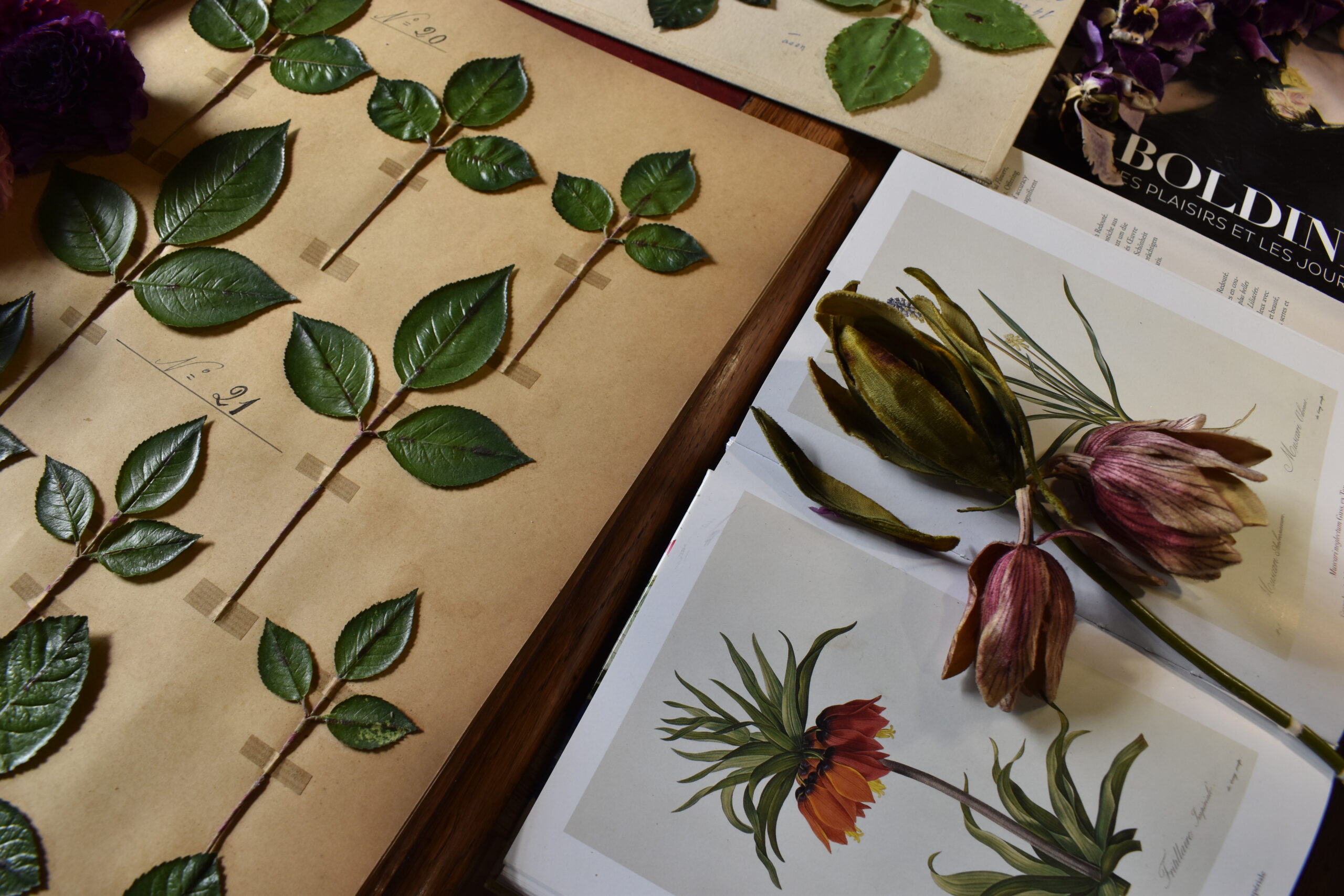
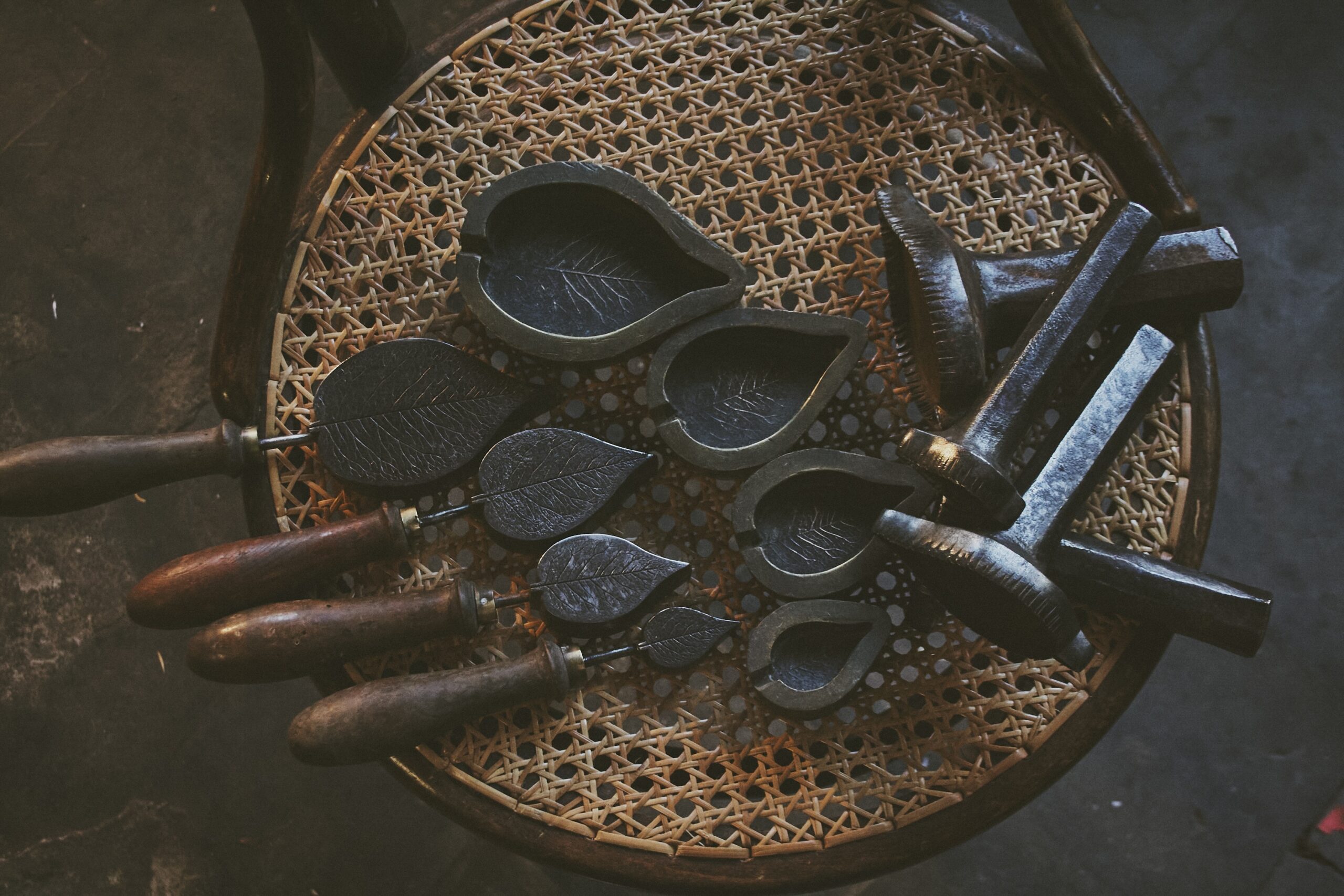
Driven by a desire to restore the value of handcrafted work, nature and craftsmanship, he discreetly negotiated the purchase of a collection of historic floral decoration tools. Thanks to crowdfunding and the support of the Walloon Region as part of a post-Covid recovery plan, he obtained a grant and became the first recipient of this programme.
On 23 November 2020, his 40th birthday, he received official approval to purchase the factory. In January 2021, nearly 16 tonnes of rare and irreplaceable antique materials from eleven historic Parisian workshops were transferred from France to the heart of Belgium.
After Chanel, Bernard Depoorter thus became the second owner of the largest collection of tools specialising in the manufacture of artificial flowers and leaves.
 ©P.Mathieu
Saving a craft heritage
Belgian couturier and stylist Bernard Depoorter seized this unique opportunity to save an exceptional craft heritage by acquiring this set of antique tools dedicated to floral adornment.

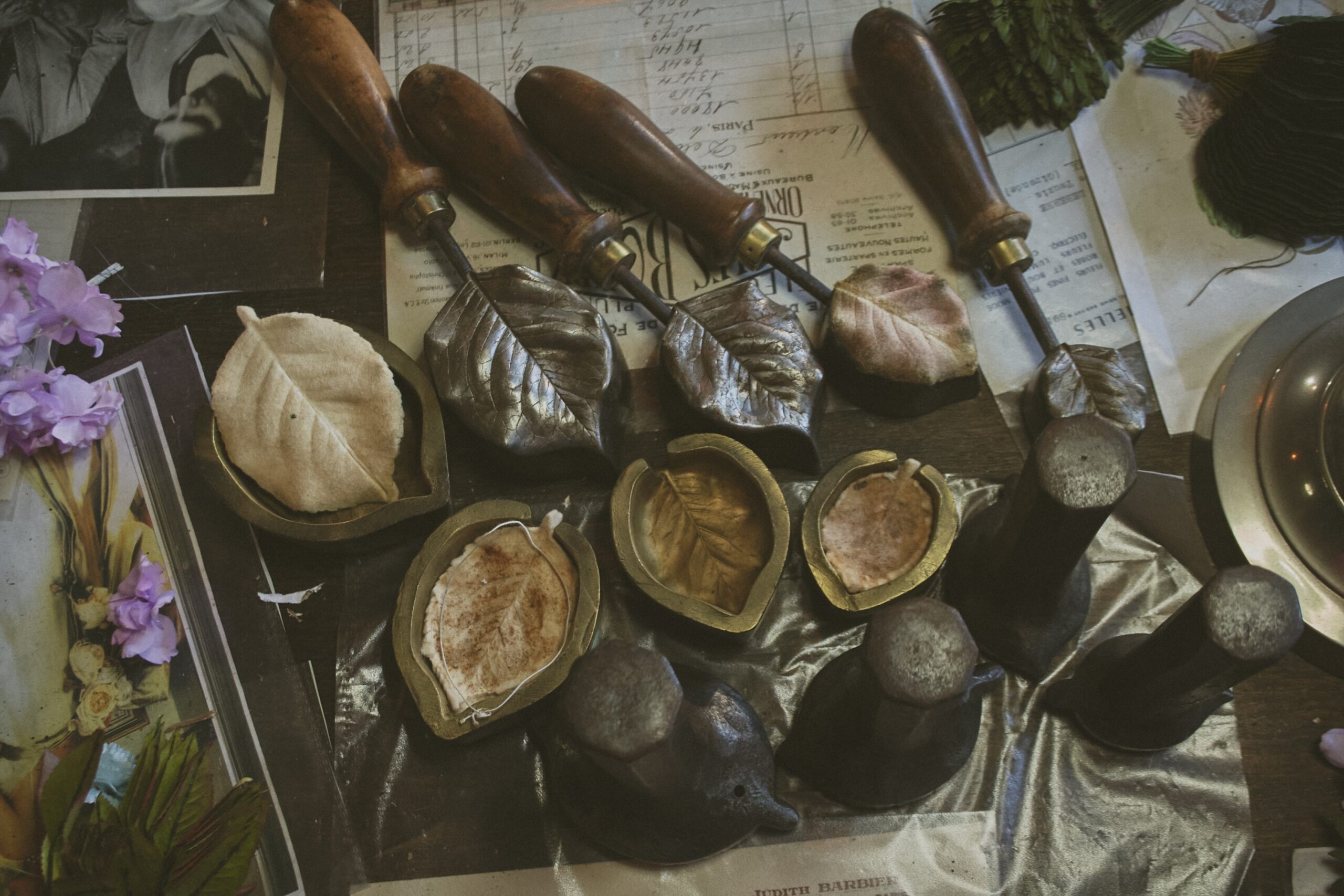
This collection, which came mainly from the houses of Louis Sebillon, Vallerand, Noémie Fromentin and Judith Barbier, had been preserved in Charente-Maritime. In addition to the tools, the operation also made it possible to recover textiles prepared for the creation of artificial flowers, as well as catalogues of craftsmen dating from the 18th century.
Bernard, with Maryse Genet at his side, undertook a genuine effort to preserve, pass on and relearn a skill that had almost disappeared. While there were around 7,500 floral decoration workshops in France in 1910, today only a few remain worldwide. Together, they founded Manufacture Bernard Depoorter, located in a former 19th-century printing house in the centre of Wavre. It became the first Belgian manufacturer dedicated to the creation of fabric flowers, perpetuating an exceptional craft that was in danger of disappearing.
A collection of 16 tonnes of antique tools

The factory is housed in the family building, which now contains 16 tonnes of antique tools, the workshops and archaeological remains related to this craft.
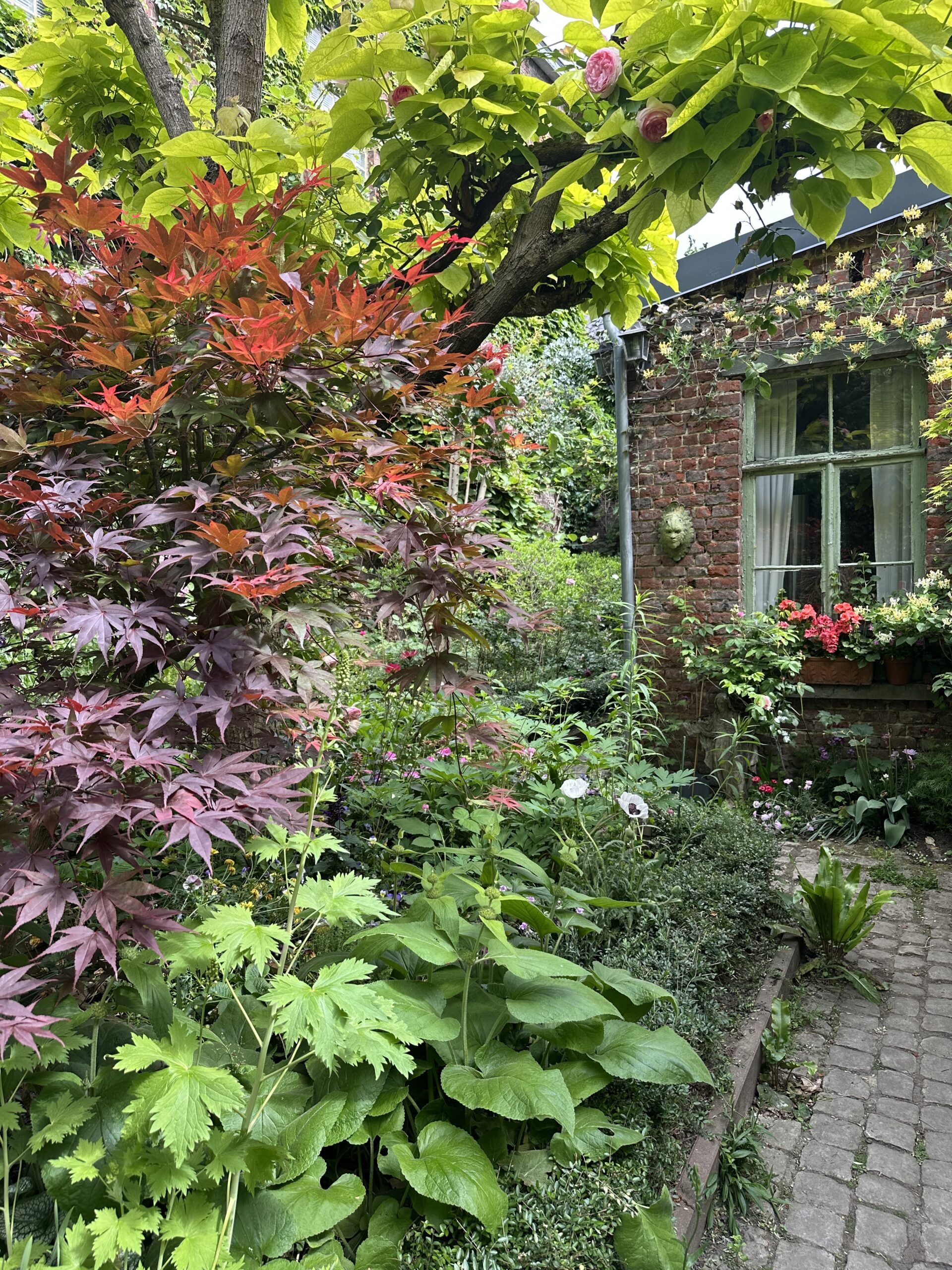
Upon entering, visitors discover an interior garden featuring a water feature, where flowers and natural plants evolve with the seasons: a constant source of inspiration.
 Bernard Depoorter Manufacture
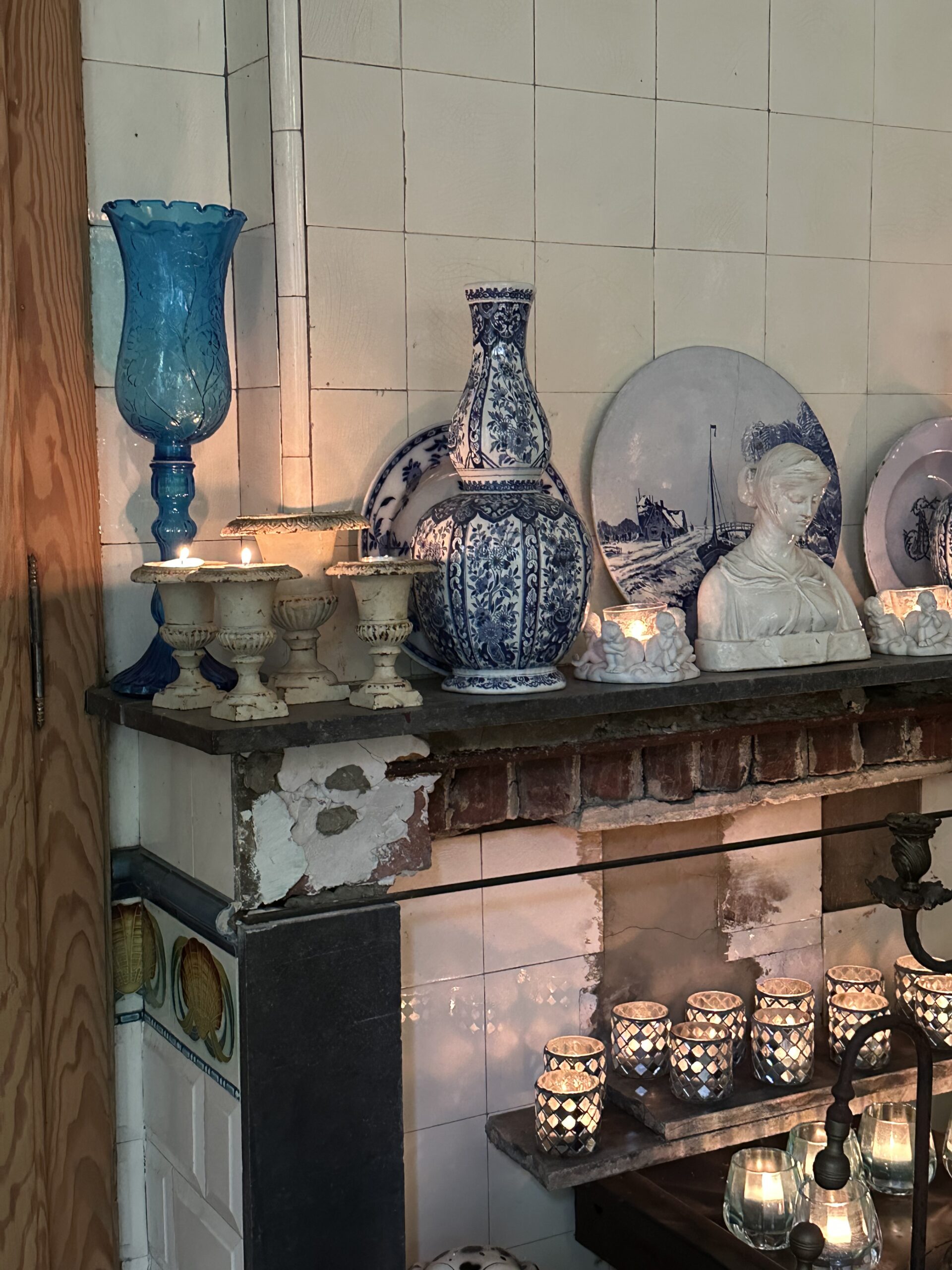 Bernard Depoorter Manufacture
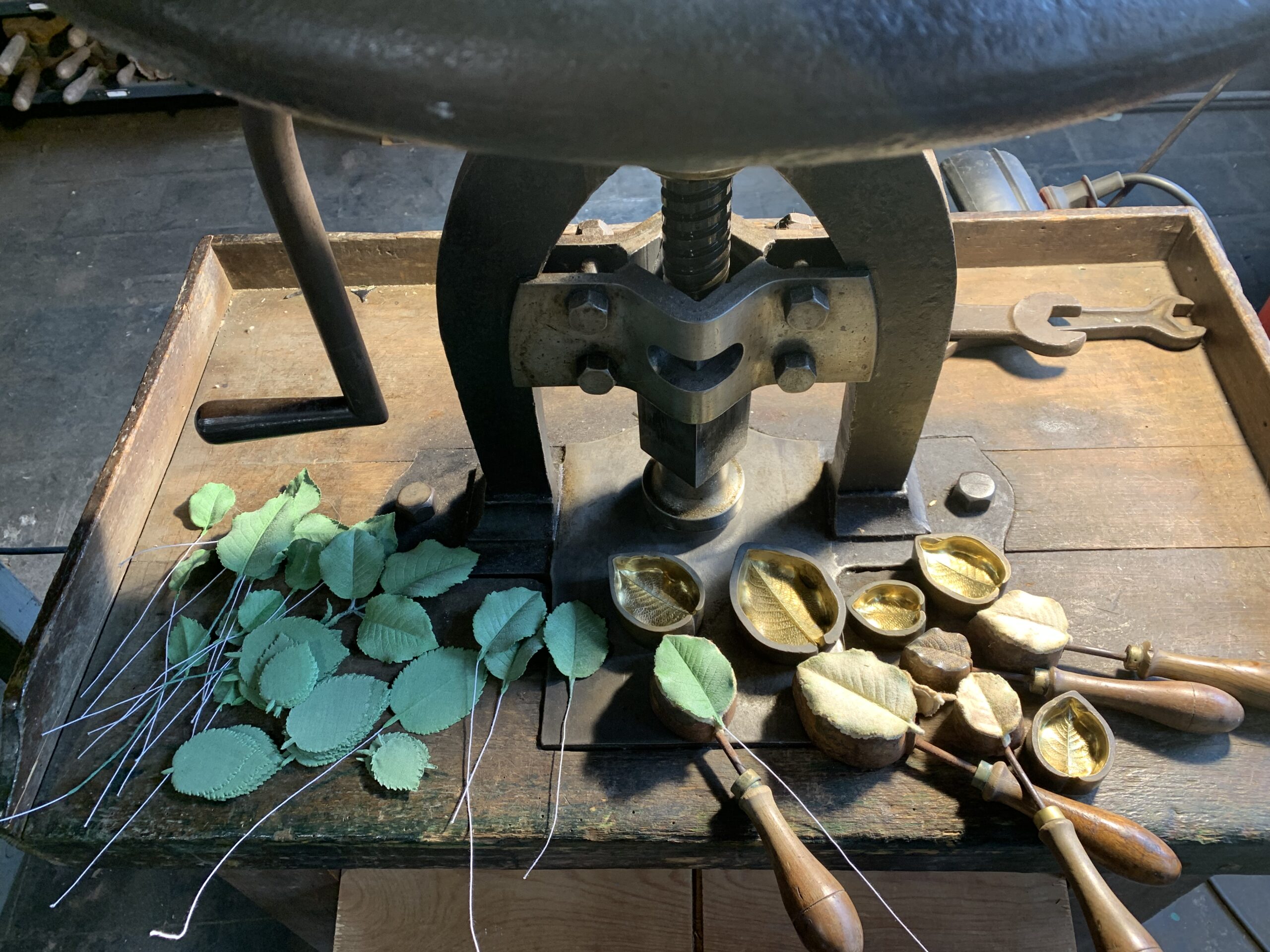
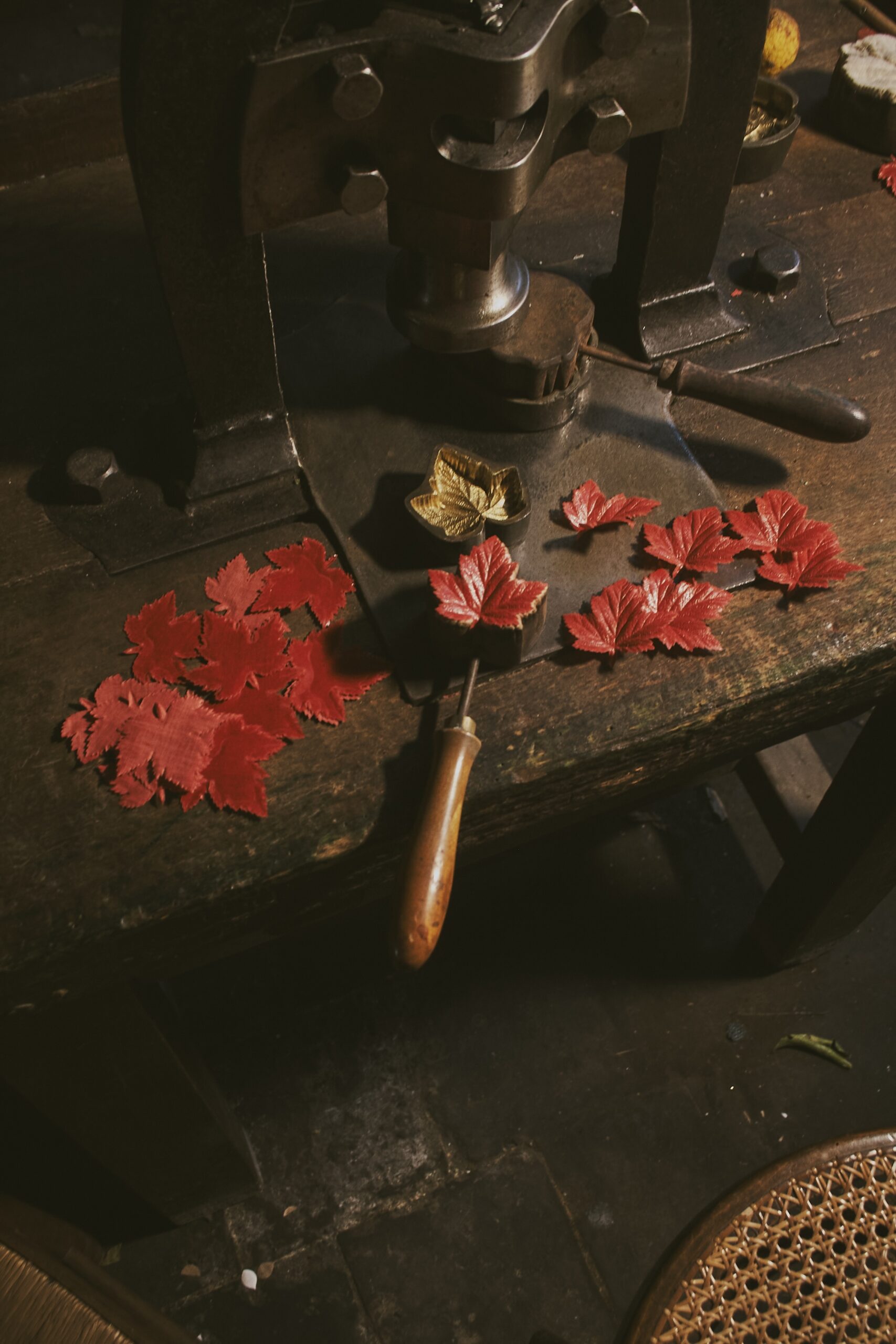
Opening onto the inner courtyard, the first workshop reveals the tools used to cut and emboss fabrics using antique presses. These copper instruments, often made using the lost wax technique, can reproduce an incredible variety of plant shapes: exotic or Mediterranean flowers, wild or medicinal plants, young or mature leaves.
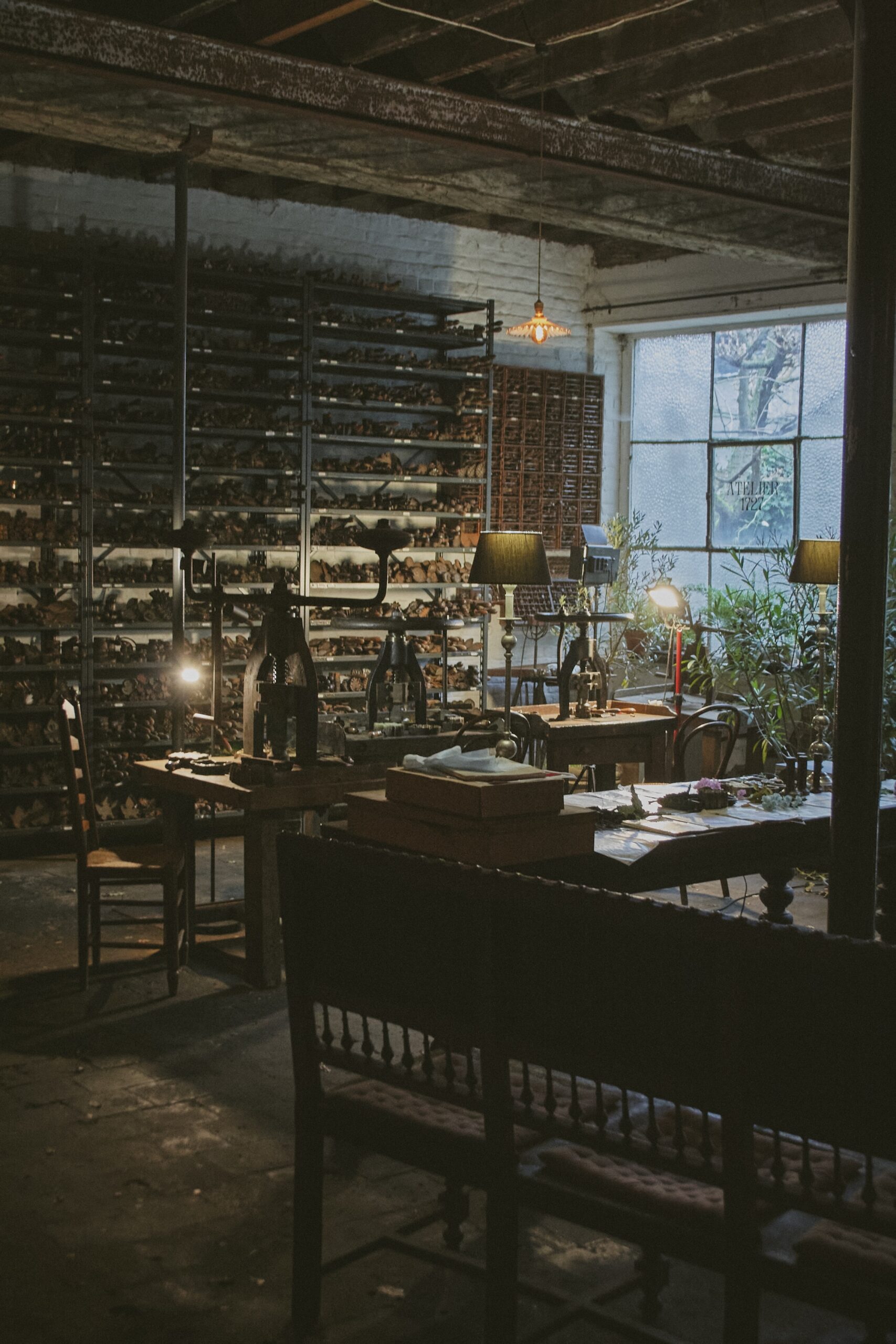
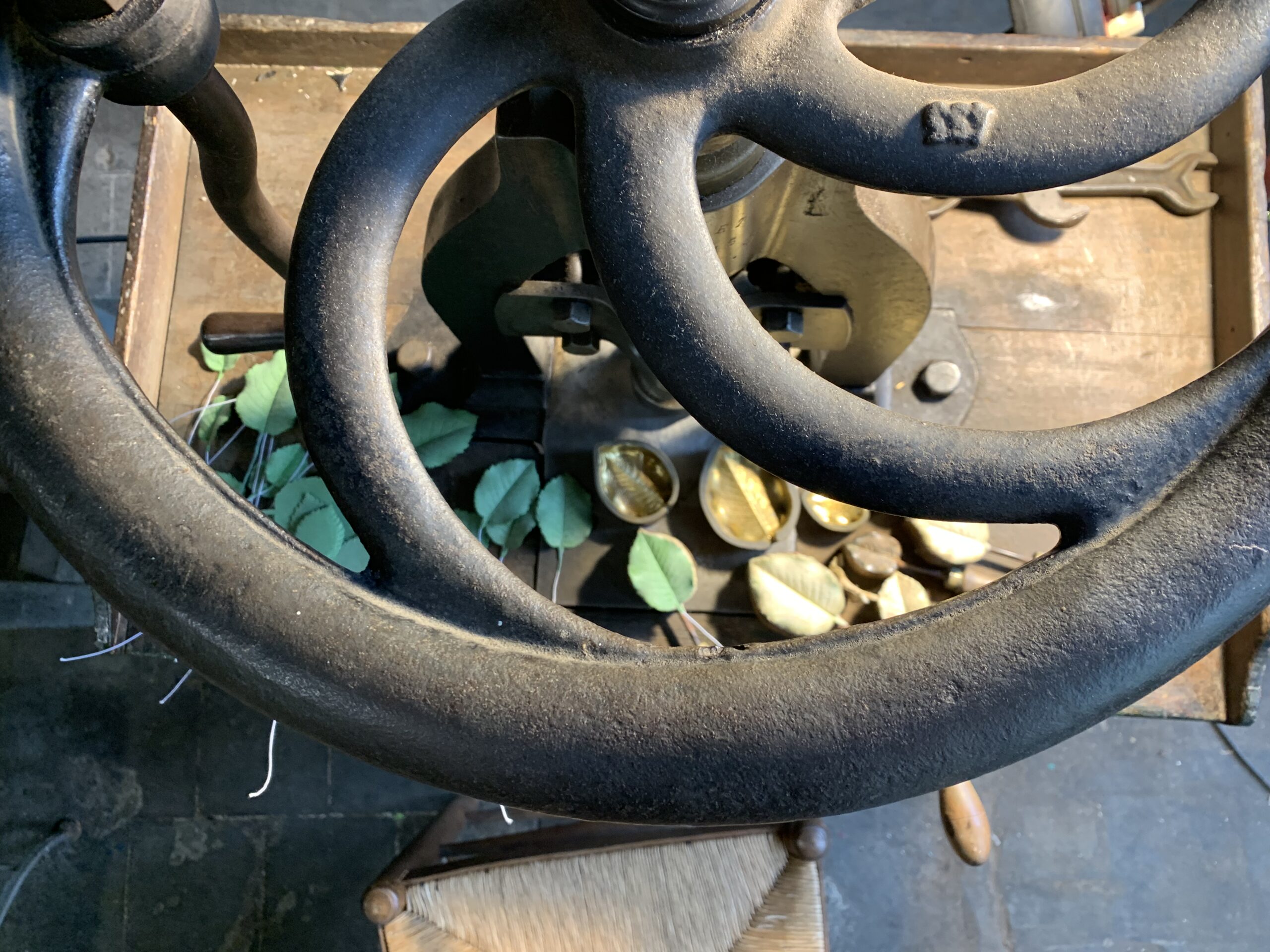
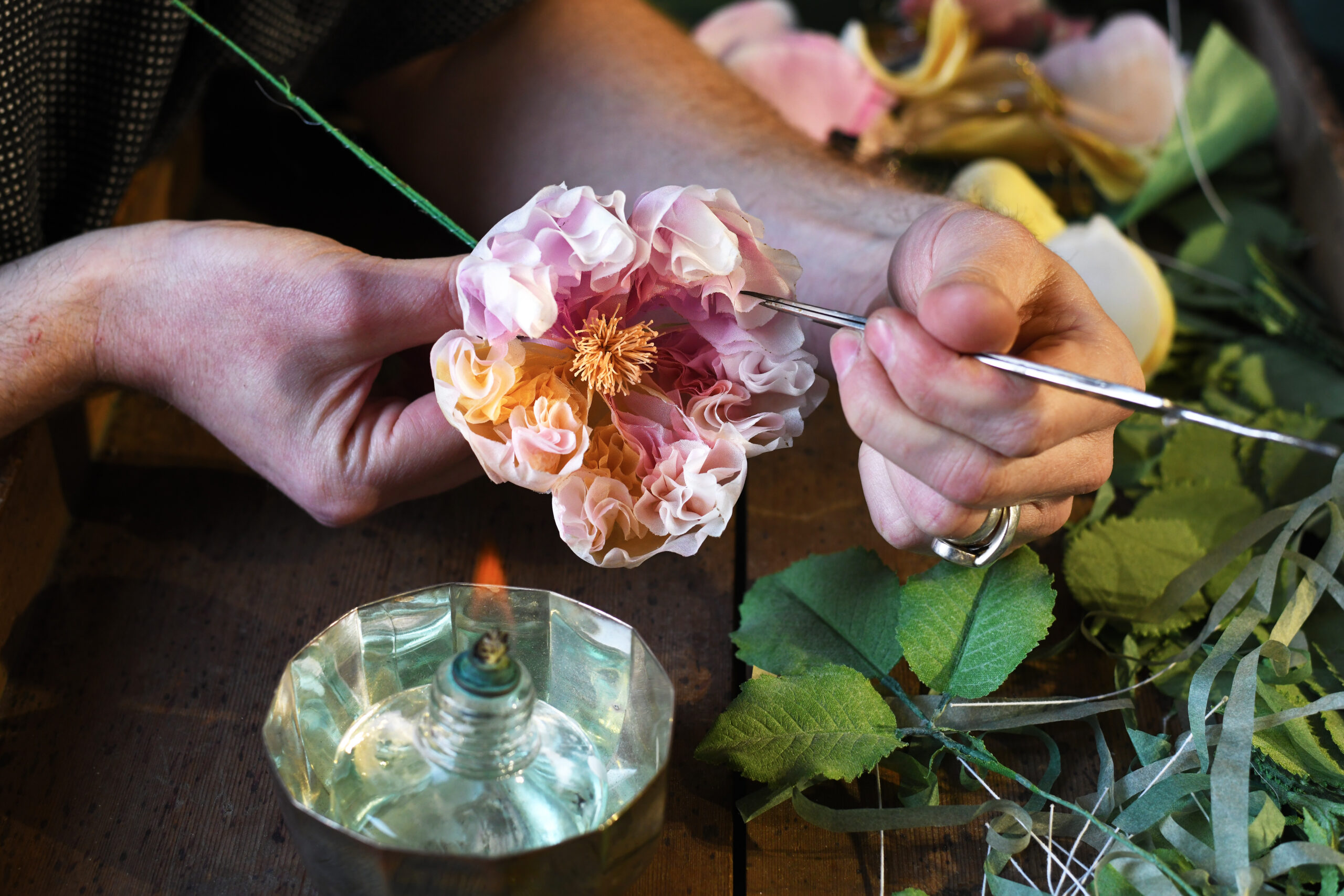
Upstairs, a second workshop is dedicated to assembling petals, flowers and leaves, giving them volume (‘boulage’) and colouring the textiles using pigments.
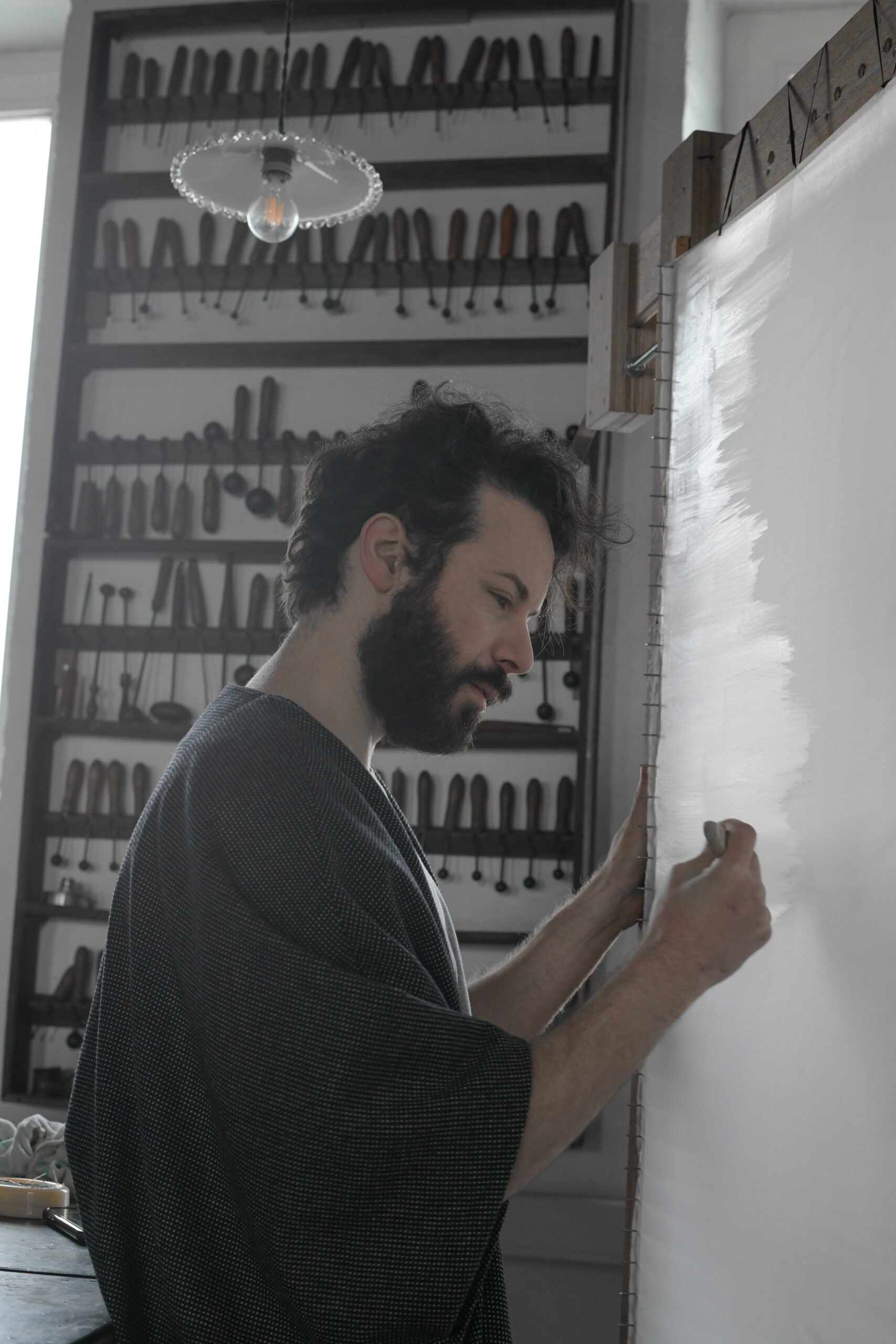 Bernard Depoorter
 From Marie Antoinette to Princess Astrid of Belgium
The oldest tools date back to before the French Revolution, a period when Marie Antoinette was particularly fond of floral adornments. The most recent ones date back to 1890.
With the help of botanists, historians and archivists, a major study and identification of the tools has been carried out.
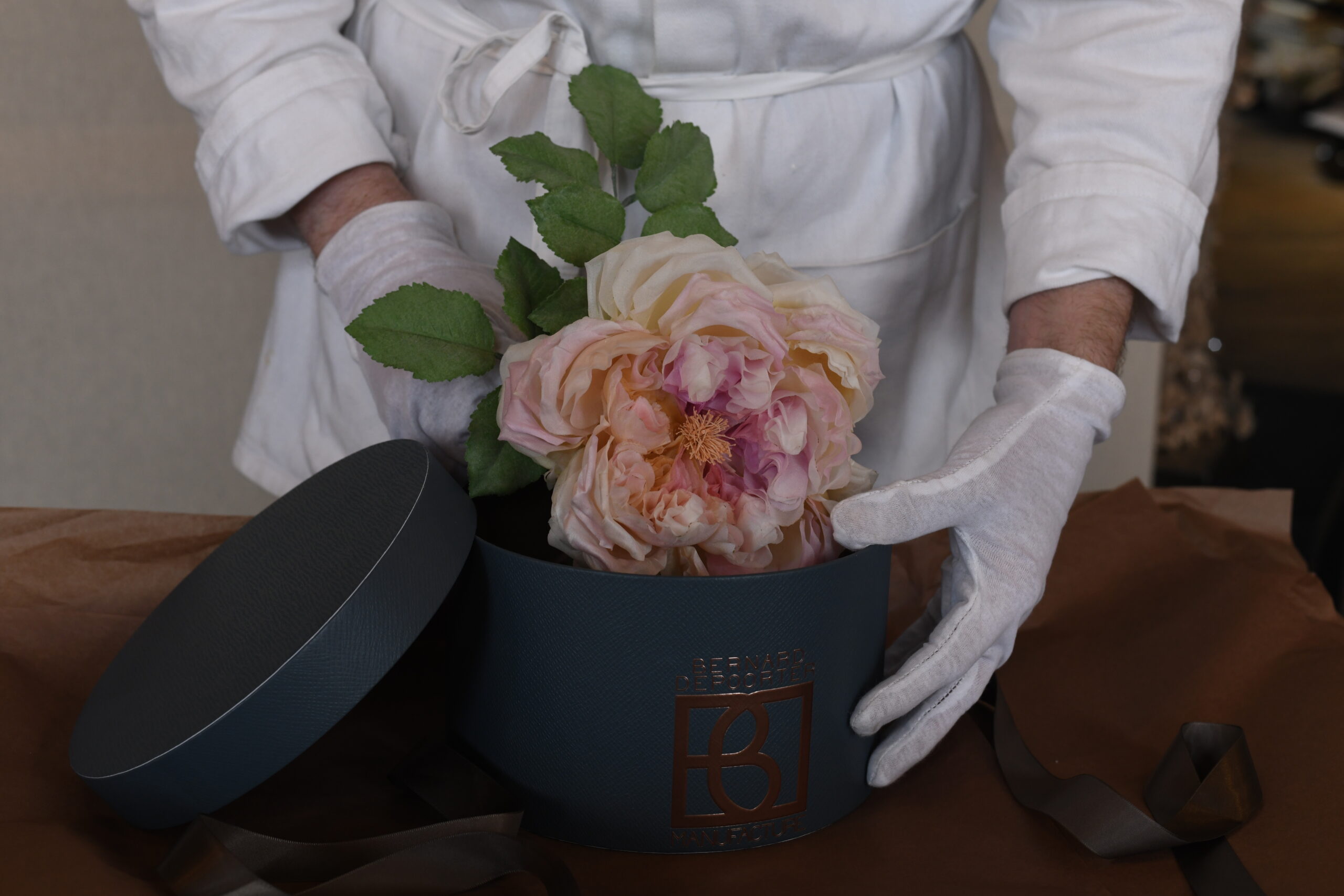
Today, the manufacturer produces wedding decorations and creations for celebrities. Among them is a brooch adorned with a black chrysanthemum worn by Princess Astrid of Belgium during a speech at the Museum of Contemporary Art in Sydney as part of an economic mission.
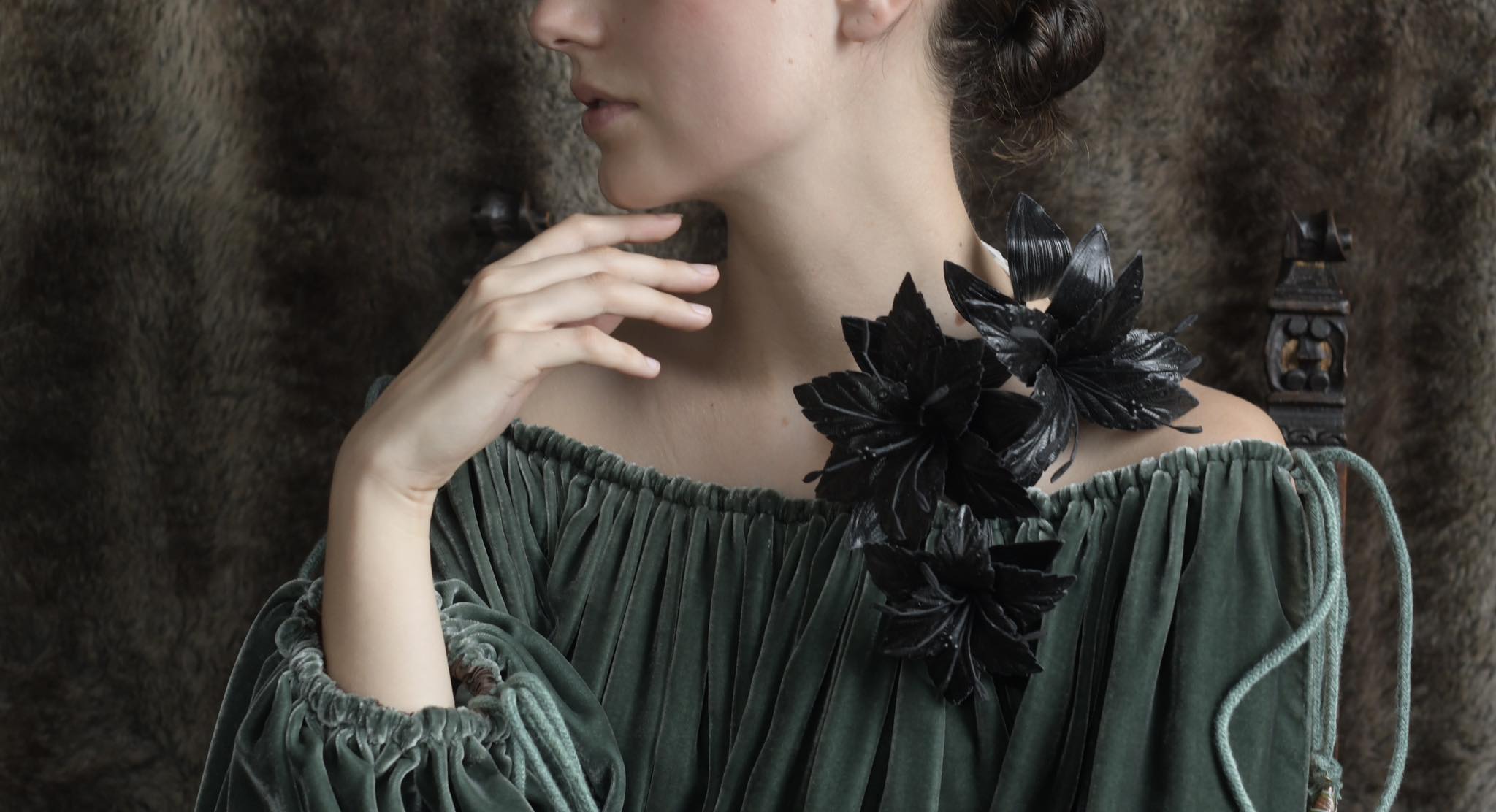
Some pieces are also available for sale, including delightful flowers to wear as brooches.
 ©P.Mathieu
Prospects and collaborations
The workshop is developing new projects, including a collaboration with a chocolatier to decorate his products. Other creations are geared towards the decorative arts, such as wallpaper, or contemporary arts: photography, painting and sculpture.
The Bernard Depoorter Manufactory is thus exploring a vast field of creative possibilities.
Who is Bernard Depoorter?

Bernard Depoorter, born in November 1981, discovered his calling at the age of seven when he found a box full of silk flowers and old clothes in the attic of his parents’ house. His artistic vision was shaped by the influence of his four grandparents: Désiré and Marie, Jean and Jacqueline. Each of them introduced him to their own universe – poetry, couture, decoration, history, film, music, architecture, botany and painting – which would shape his taste for refinement and his eye for detail.
 ©P.Mathieu
Originally from Wavre, he describes himself today as a florist, haute couture designer, photographer, painter, decorator and artist-gardener, who has developed a true art of living.
His universe fits into a Wagnerian approach, in which floral and plant art sublimates the present through refinement of details and aesthetic harmony. Each creation is an intimate expression of his vision of the world, an invitation to a sensory journey.
He embodies the legacy of his four grandparents:
– architecture and the proportions of details,
– observation of flowers and colours,
– literature, poetry and painting,
– table decoration, interior decoration and fashion, inherited in particular from the houses of Balenciaga, Cardin, Callot Sœurs and Poiret.
As a history enthusiast, he draws inspiration from old books, plants and historical costumes. His references range from Monet, Fortuny and Soulages to the architecture of Victor Horta.
The Depoorter house is recognisable by its emblematic codes: the gardenia, the English rose, the fern, the peacock, the number 7, purple, Prussian blue and the witch’s mirror.
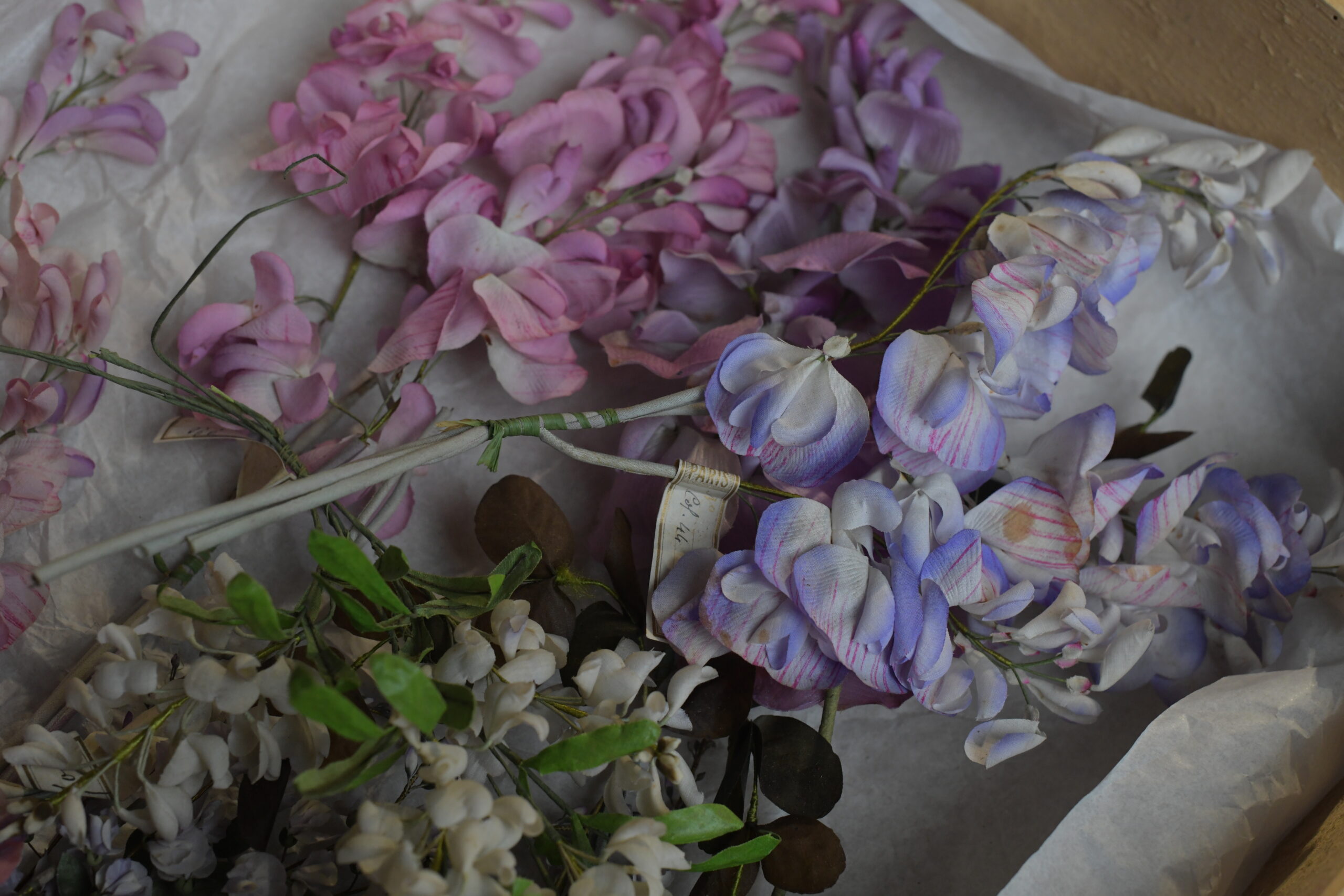
Bernard Depoorter is more than a designer, he is a total artist whose universe, at the crossroads of art and heritage, celebrates craftsmanship and beauty in all their forms.
Recent acquisition
Diane Lhoest from Liège, Belgium’s last floral wreath maker, will entrust her studio, her collection of 700 19th-century tools, her precious supplies and her craftsmanship to Bernard Depoorter in 2025. The Manufacture now brings together twelve houses, almost 17 tonnes of material and more than 9,200 tools in its “steel garden”, offering endless artistic possibilities.
Anniversary
In 2027, the heritage of the Manufacture Bernard Depoorter will celebrate its 300th anniversary.
Development
The online shop recently opened with a capsule collection of ten gardenias. Manufacture Bernard Depoorter is also continuing its commercial development in Belgium, Paris and Venice, with the opening of its first multi-brand outlets.
Rue du Béguinage 39
1300 Wavre
0472 22 36 98
https://bernarddepoorter.com